"Care is not soft — it is infrastructure"
Published on November 26, 2025
Key Reflections from The Regenerative Network 4. Gathering
by Tina Maria Nissen
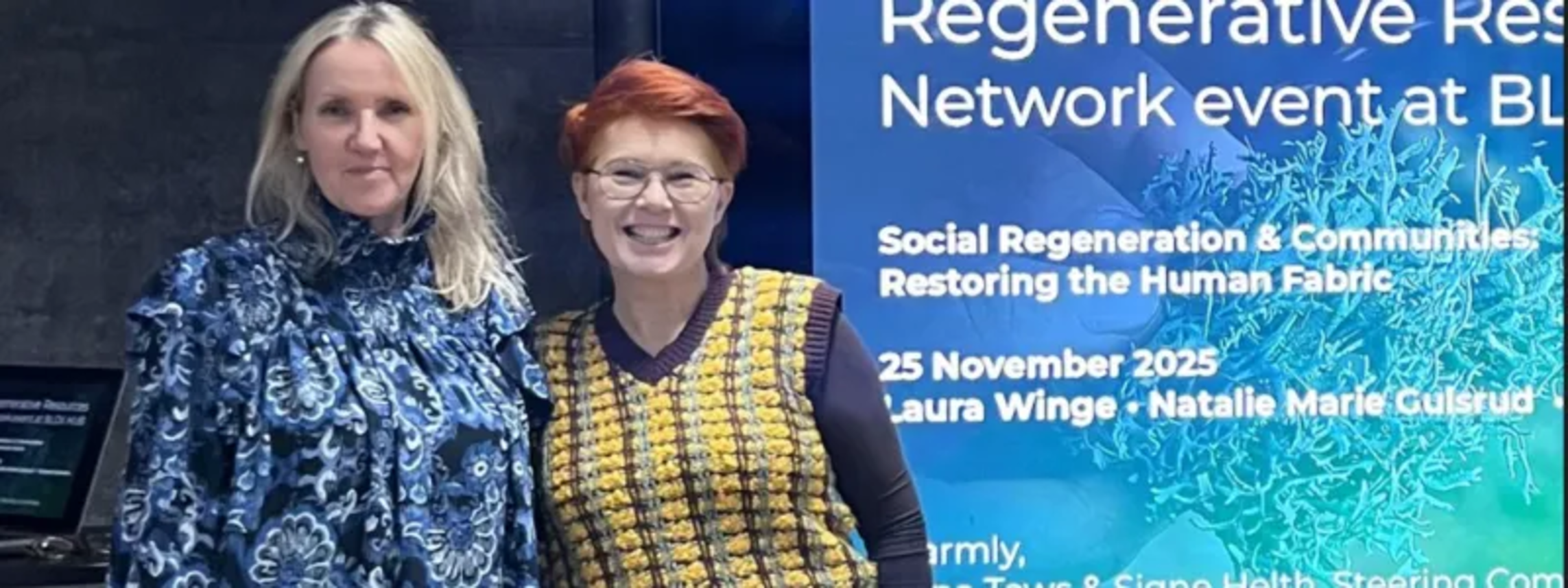
What a beautiful — almost sacred — space unfolded yesterday at BLOXHUB as the Regenerative Resources Network gathered for its 4th session.
Through the dedicated work of Anna Taws and Signe Helth, this group continues to bring together practitioners, researchers, and bright minds who are moving the regenerative agenda forward in meaningful ways.
This session focused on the human dimension of regeneration — trust, relationships, care, and the social fabric that must be restored if regenerative cities and societies are to take form.
The Agenda
Social Regeneration & Communities: Restoring the Human Fabric
Speakers:
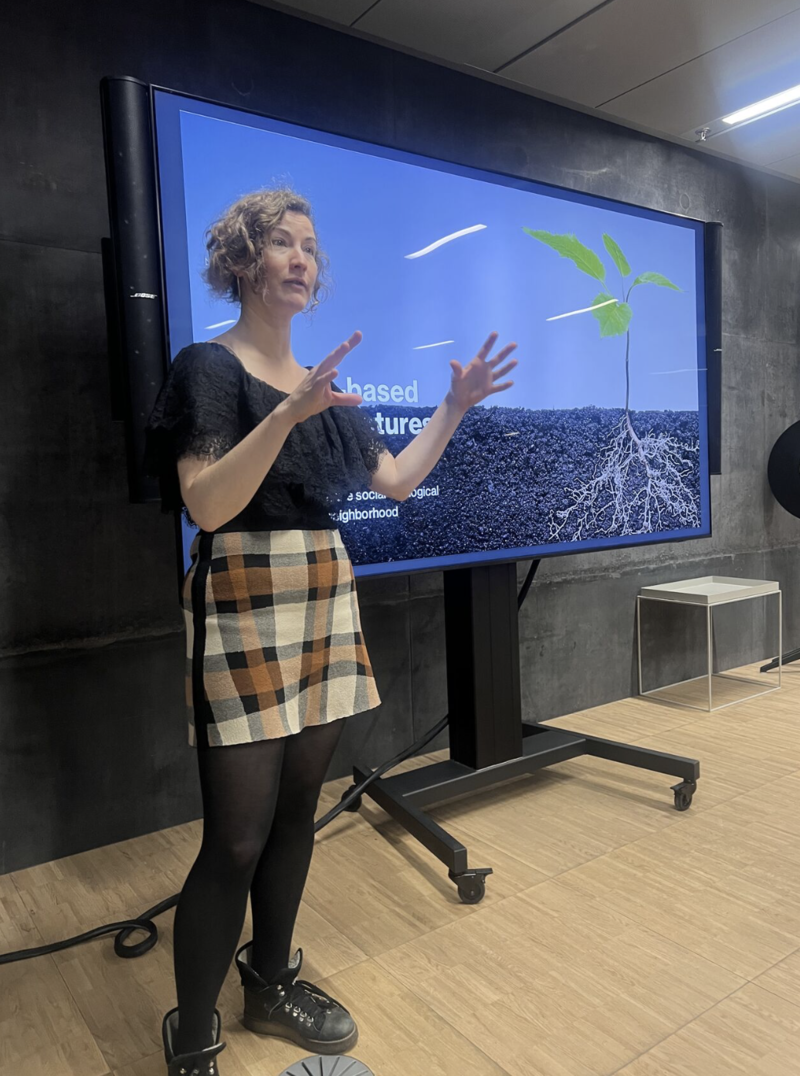
🌿 Natalie Marie Gulsrud — Associate Professor of Landscape Architecture and Urban Planning, University of Copenhagen
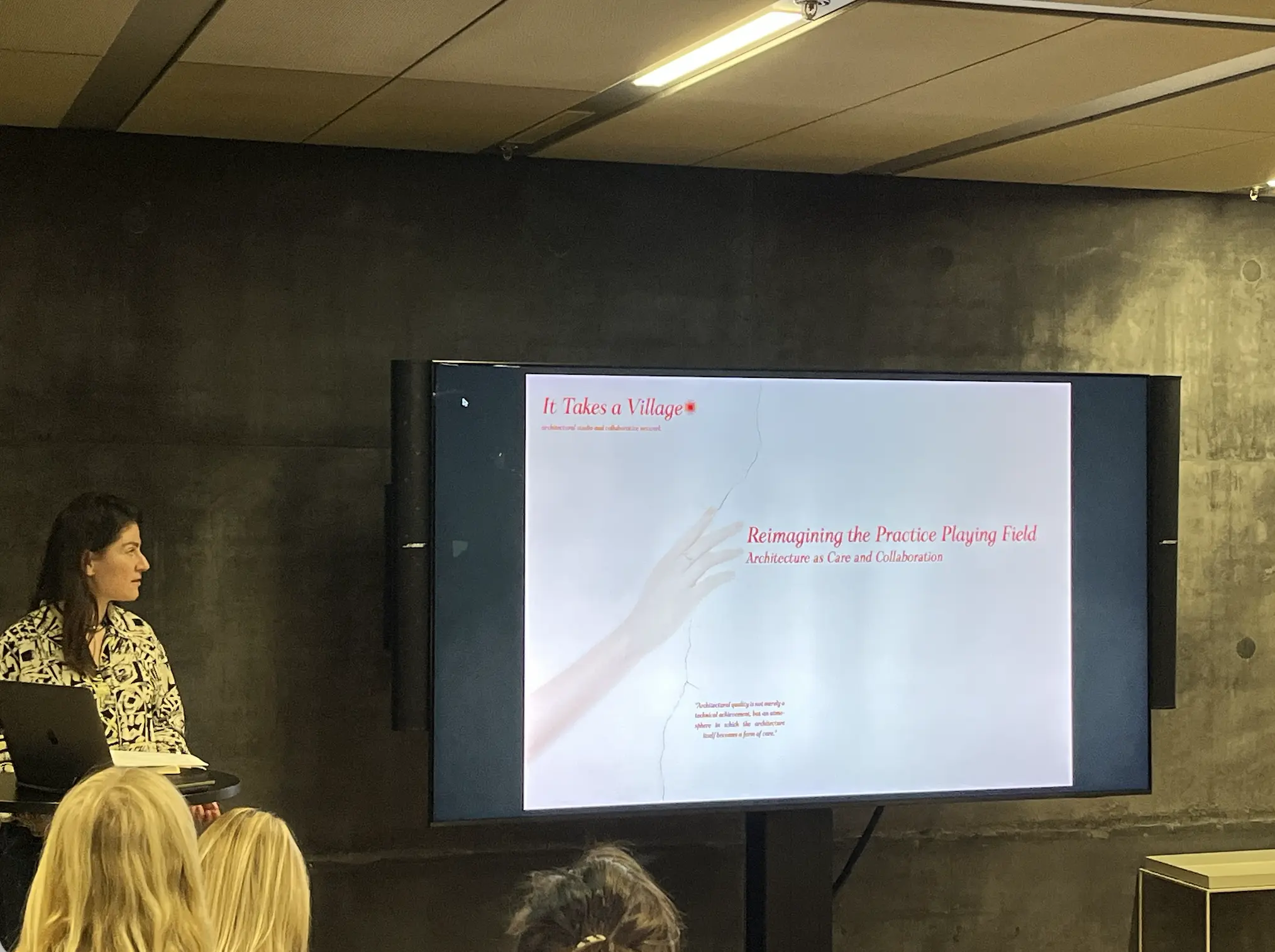
🌿 Olympia Nouska — Founder, It Takes a Village | Arkitekt MAA | Lecturer, MA Political Architecture: Critical Sustainability
🌿 Laura Winge — Design Anthropologist, PhD
Together, they unfolded perspectives on how social infrastructure, care, participation, and community agency are essential components of a regenerative future.
Insights from the Speakers
🌿 Natalie Marie Gulsrud — Care, Value and the Green Transition
Natalie invited us to ask: What is a good green transition — and for whom?
She highlighted the growing “green discontent,” rooted in the unequal distribution of burdens and benefits. At the centre of her talk was the question of care — and the need to rethink how we measure value beyond monetary metrics.
Key reflections
• Why should we care about care?
• What does it mean for a city to be truly “green”?
• How does care translate into politics and practice?
• How can technology support an “infrastructure of nurture”?
She shared insights from neighbourhoods where residents, often labelled as disengaged, demonstrate deep attachment and stewardship — reminding us that care exists everywhere when we choose to see it.
🌿 Olympia Nouska — Care as Infrastructure & “Scaling Out”
Olympia pointed to a shift in Danish architectural policy, where Care & Beauty now top the agenda. Through her practice It Takes a Village, she offered a model for practitioners working together — not competing for the same opportunities but scaling out through networks, shared knowledge, and distributed care.
Key takeaways
• Care is not soft — it is infrastructure.
• Collaboration should be long-term and value-driven.
• We need new ways of imagining value beyond linear, extractive cycles.
• Trust becomes a new form of capital for regenerative practice.
Their Manifesto of Care offers a strategy of survival — urgently needed on a global scale.
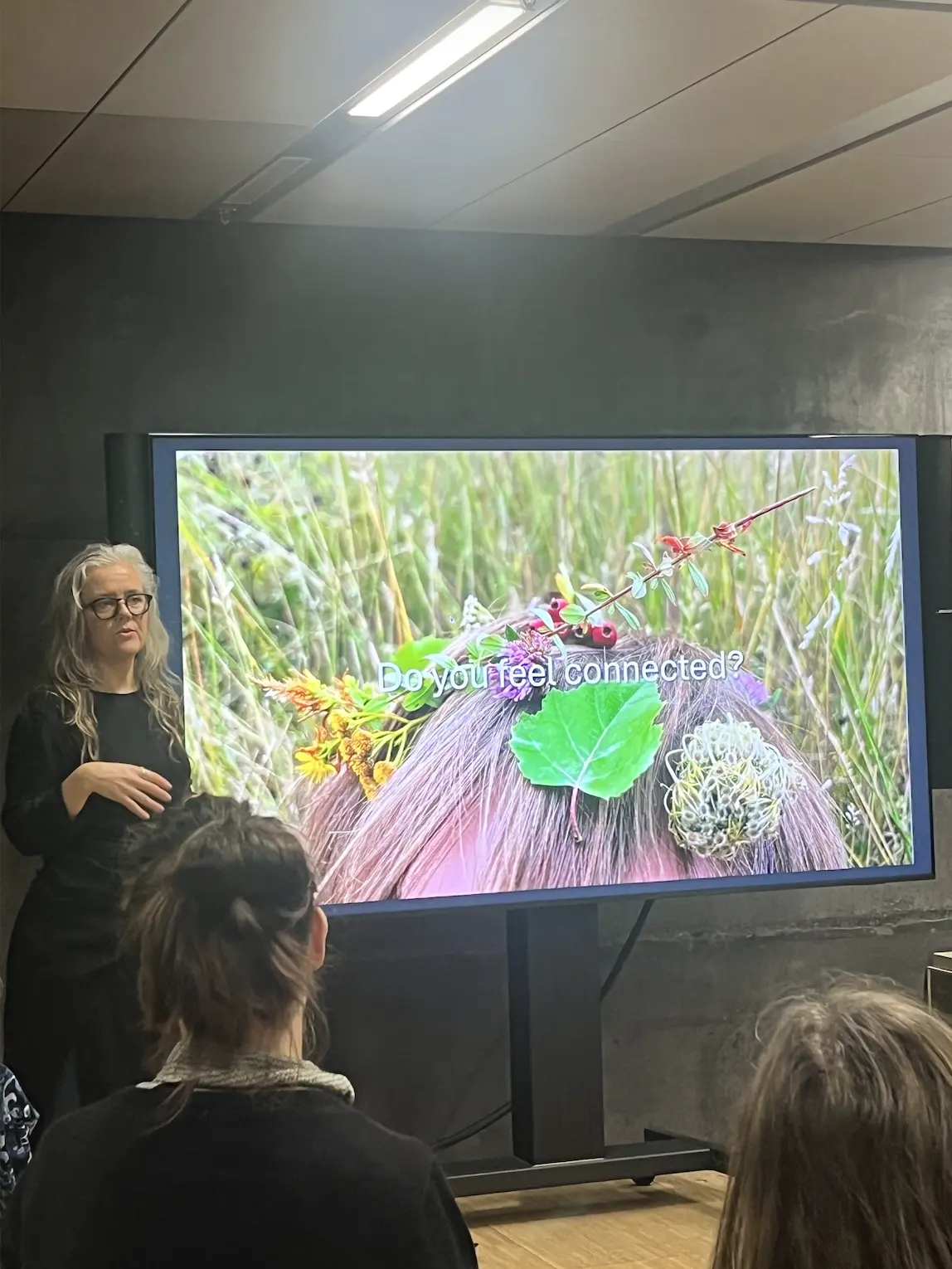
🌿 Laura Winge — The Slow Revolution of Teaching Care
Laura explored how design, anthropology, and education intersect when cultivating care from a young age. By enabling children to sense, touch, and participate in nature, we strengthen their ability to care — a skill that becomes essential as they grow into practitioners, decision-makers, and clients.
Her message was clear:
A regenerative culture requires nurturing care from childhood to adulthood.